


Three data prints. One week. None of them pretty.
The Bureau of Labor Statistics dropped the April CPI on Tuesday morning: headline inflation at 3.8% year over year, the highest reading since May 2023, a full half-point above March, beating consensus by a tenth. The next day, PPI arrived. Final demand producer prices rose 1.4% for the month...nearly three times the 0.5% consensus...pushing the annual rate to 6.0%, the highest since December 2022. Friday delivered a one-two finish: the Empire State Manufacturing Index for May surged to 19.6 against an expectation of roughly 7, and industrial production for April came in at plus 0.7% month-over-month, more than double the consensus estimate of 0.3%.
Markets noticed. The 10-year Treasury yield closed the week near 4.57%, its highest level in about a year, as bond traders repriced the entire inflation and rate outlook in the span of 72 hours.
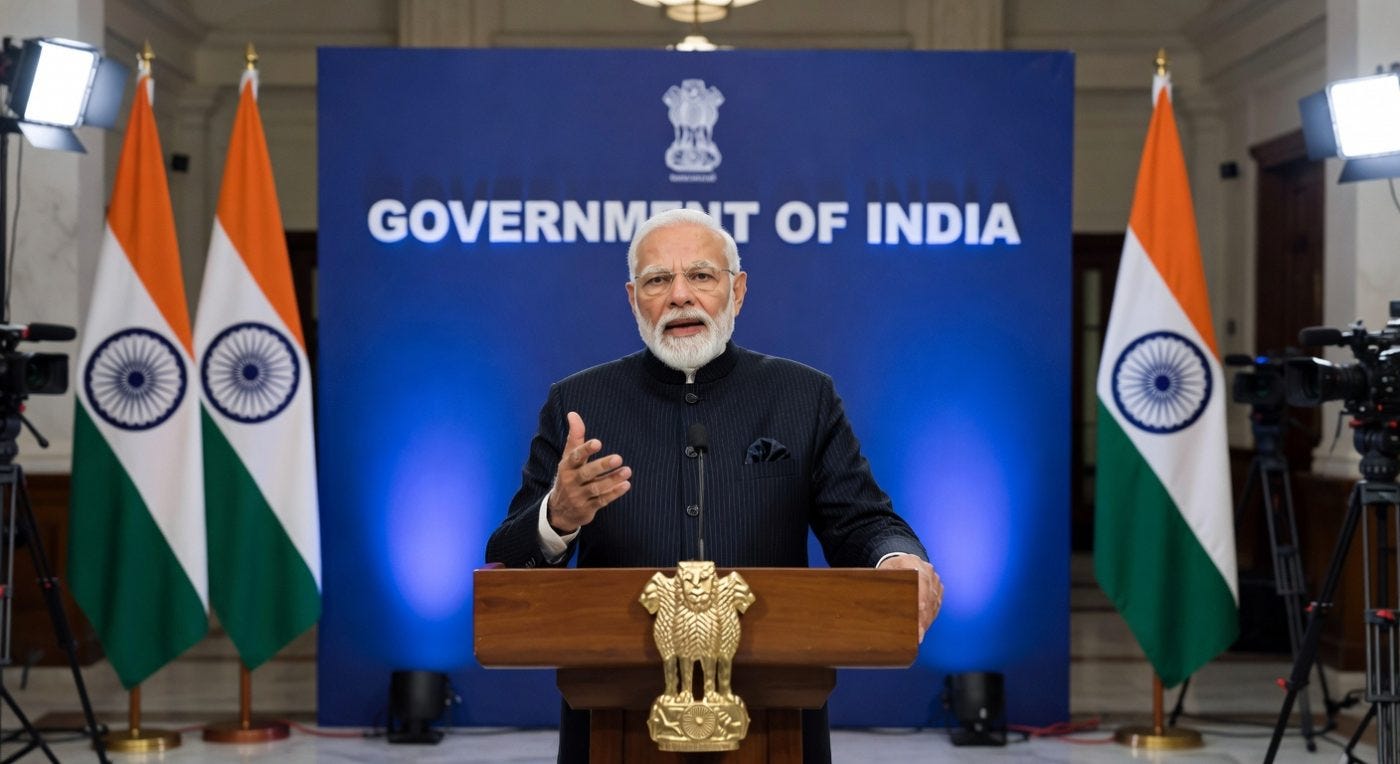
And then, tucked beneath the inflation headlines, India quietly doubled its import duties on gold. Effective May 13, the levy on bullion went from 6% to 15%. A day later, the government capped duty-free import quantities and tightened authorization rules for jewelers. Prime Minister Modi had already gone on television the weekend before to ask citizens, personally, to stop buying gold for a year.
The question is: what does India’s gold policy have to do with American CPI data, a surging 10-year yield, and the chorus of voices predicting that the dollar is about to crater?


